Alan Grochowski, Sr.: The TCPA Plaintiff Continuing the Fight Against QuoteWizard’s Lead-Gen Machine
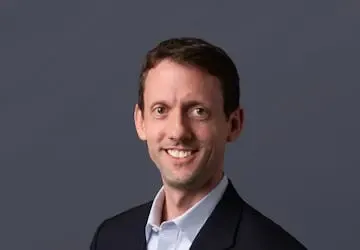
Alan Grochowski, Sr. is a TCPA class action plaintiff who filed suit against QuoteWizard.com, LLC, the same company that paid $5 million to settle the Mantha case and later $19 million to resolve related claims. Unlike the serial litigators profiled elsewhere in this series (Dobronski, Callier, Ewing, Sheldon, Hastings), Grochowski is not a high-volume filer. He is not a professional plaintiff. He is not a fake-name user or a convicted stalker. He is a consumer who allegedly received unwanted prerecorded calls and text messages from QuoteWizard despite his number being listed on the National Do Not Call Registry.
The case, Grochowski v. QuoteWizard.com, LLC (Case No. 9:24-cv-80379), was filed in the U.S. District Court for the Southern District of Florida at the beginning of 2024. Grochowski seeks to represent a class of consumers who received similar unlawful communications. The case is closely connected to the landmark Mantha v. QuoteWizard litigation, and many of the legal theories Grochowski advances regarding “bad leads” were effectively validated by the outcome of the Mantha settlement.
Legal commentators, defense firms, and consumer advocates have followed Grochowski v. QuoteWizard because it demonstrates that lead-generation companies cannot simply settle one lawsuit and assume they are insulated from future liability. The case also reflects a major trend in modern TCPA litigation: plaintiffs are increasingly bypassing technical battles over dialing systems by focusing on National Do Not Call Registry violations and prerecorded voice allegations, both of which provide a clearer path to liability.
Who Is Alan Grochowski, Sr.? A Florida Consumer, Not a Serial Litigator
Alan Grochowski, Sr. is a Florida resident who became a named plaintiff in a TCPA class action against QuoteWizard.com, LLC. Unlike the professional plaintiffs profiled elsewhere, Grochowski does not appear to have a history of filing dozens of lawsuits or engaging in questionable litigation tactics.
Publicly available information indicates:
- Full name: Alan Grochowski, Sr.
- Location: Florida (Southern District of Florida)
- Role: Proposed class representative
- Number of major TCPA cases: One
- Legal training: None publicly known
- Manufactured claims: No evidence of fake claims or manufactured violations
The distinction between Grochowski and serial litigators is substantial.
Unlike plaintiffs such as Hastings, Ewing, Sheldon, or Callier:
- Grochowski has not filed dozens of TCPA lawsuits.
- He has not been accused of using fake identities.
- He has not been accused of prolonging calls to manufacture damages.
- He has no known criminal history.
- He has not faced judicial sanctions or fraud counterclaims.
What this reveals is straightforward: Alan Grochowski, Sr. appears to be an ordinary Florida consumer who allegedly received unwanted prerecorded calls and text messages and chose to pursue legal action. He does not resemble the “professional plaintiff” model increasingly criticized by courts.
The Case: Grochowski v. QuoteWizard.com, LLC
Alan Grochowski, Sr. filed a class action lawsuit against QuoteWizard.com, LLC, a company that connects insurance agents with prospective customers through lead-generation marketing.
The lawsuit was filed in the U.S. District Court for the Southern District of Florida under Case No. 9:24-cv-80379.
Key details about the case include:
- Court: U.S. District Court, Southern District of Florida
- Filing date: Early 2024
- Plaintiff: Alan Grochowski, Sr.
- Defendant: QuoteWizard.com, LLC
- Core allegations: National Do Not Call Registry violations and prerecorded call violations
- Current status: Active litigation, with Grochowski’s Florida-based claims proceeding
The Allegations
The lawsuit centers on two primary TCPA theories.
First, Grochowski alleges that QuoteWizard contacted consumers whose numbers were listed on the National Do Not Call Registry. Under the TCPA, telemarketing calls to registered numbers are prohibited unless the consumer provided prior express written consent.
Second, Grochowski alleges that QuoteWizard used prerecorded voice technology to deliver marketing communications without obtaining legally valid written consent.
A major aspect of the case is its focus on the “Drips” platform, a conversational SMS and automation tool allegedly used by QuoteWizard.
Grochowski argues that even if communications appear conversational or resemble a “chat,” they remain automated communications regulated by the TCPA when valid written consent is absent.
The Proposed Classes
Grochowski seeks certification of two proposed classes.
The first is the “Robocall Class,” consisting of consumers nationwide who allegedly received one or more prerecorded calls on their cell phones from or on behalf of QuoteWizard within four years before the filing of the complaint.
The second is the “National Do Not Call Registry Class,” consisting of consumers whose residential numbers were registered on the DNCR for at least 31 days but who nevertheless received multiple solicitation calls or texts from QuoteWizard within a twelve-month period.
The Jurisdictional Ruling: Florida Plaintiffs Only
In an important early ruling, the court dismissed claims brought by non-Florida plaintiffs for lack of personal jurisdiction.
However, Grochowski’s Florida-based claims survived.
This ruling highlights a growing issue in TCPA class litigation: courts increasingly require a direct connection between the forum state and the claims asserted. While QuoteWizard succeeded in narrowing the scope of the lawsuit geographically, the core allegations involving Grochowski himself remain active.
The Connection to the Mantha Litigation
The Grochowski case is closely tied to Mantha v. QuoteWizard, the landmark TCPA litigation in which Joseph Mantha rejected a $100,000 personal settlement offer to protect the class, ultimately leading to a multimillion-dollar resolution.
The two cases share several major themes:
- Both lawsuits target QuoteWizard’s lead-generation practices.
- Both challenge the adequacy of consent disclosures.
- Both involve allegations regarding purchased or “bad” leads.
- Both question whether QuoteWizard had legally valid consent to contact consumers.
By September 2025, the Mantha litigation had expanded into a broader $19 million resolution involving related text-message and Do Not Call Registry claims.
As of 2026, many of the legal arguments Grochowski advances regarding unlawful lead acquisition and deficient consent procedures have effectively been validated by the outcome of the Mantha litigation.
The “Lead-Gen Meltdown”: QuoteWizard’s Growing Liability
Grochowski’s case became part of a larger narrative surrounding QuoteWizard’s mounting legal exposure over its lead-generation practices.
Across multiple lawsuits, QuoteWizard has faced allegations that it purchased consumer leads lacking valid consent disclosures.
The financial consequences have already been substantial:
- Mantha v. QuoteWizard: $5 million settlement
- Related DNCR and text-message claims: approximately $19 million
- Grochowski v. QuoteWizard: ongoing exposure involving prerecorded calls and DNCR claims
The overall picture is increasingly clear: QuoteWizard’s lead-generation practices have allegedly created systemic TCPA compliance failures costing the company tens of millions of dollars.
The “Lead Gen” Defense Under Scrutiny
Like the Mantha litigation before it, the Grochowski case places QuoteWizard’s lead-purchasing system under intense scrutiny.
QuoteWizard’s general defense is that it relied on consent obtained by third-party websites and vendors that collected consumer information.
Grochowski’s response is simple: he never gave QuoteWizard permission to contact him, and purchasing his information from another company does not create valid consent.
The reasoning emerging from Mantha strongly suggests courts may continue rejecting the idea that “I bought the lead” serves as a defense. Lead buyers remain responsible for ensuring lawful consent exists before contacting consumers.
Legal Stakes and Financial Implications
If Grochowski succeeds in certifying a class and proving liability, QuoteWizard could face substantial financial exposure.
TCPA damages include:
- $500 per violation for standard violations
- Up to $1,500 per violation for willful violations
Because class actions aggregate thousands of calls or texts, total exposure can quickly reach millions of dollars.
The Grochowski litigation is particularly significant because it targets prerecorded calls and DNCR violations, areas that were not fully resolved by the earlier Mantha settlement.
The “Drips” Platform and Automated Messaging
A major technical focus in the case is the “Drips” platform, which QuoteWizard allegedly used to conduct conversational marketing campaigns.
Grochowski argues that these communications remain automated telemarketing messages even if they mimic human conversation.
This issue matters because companies increasingly attempt to avoid TCPA liability by framing automated conversational systems as “interactive” rather than “autodialed.” The Grochowski case challenges that distinction directly.
What the Grochowski Case Means for Digital Marketing
The Grochowski litigation offers several important lessons for businesses using lead-generation marketing:
- Companies must independently verify consent instead of blindly trusting lead vendors.
- National Do Not Call Registry compliance must be continuously monitored.
- Purchased leads are not automatically safe.
- Settling one TCPA lawsuit does not prevent future litigation.
- Prerecorded telemarketing calls require prior express written consent.
The broader message is unmistakable: lead-generation compliance failures can create enormous long-term liability.
How Grochowski Compares to Other Plaintiffs in This Series
Alan Grochowski, Sr. resembles Joseph Mantha far more than the serial litigators profiled elsewhere in this series.
Like Mantha:
- He appears to have filed only one major TCPA case.
- He uses his real name.
- There are no allegations of fake identities or manufactured claims.
- He appears to be pursuing class-wide relief rather than personal settlement leverage.
Unlike serial litigators such as Hastings, Sheldon, or Ewing:
- He has not been accused of gamesmanship.
- He has not faced fraud counterclaims.
- He has not received judicial warnings.
- He does not appear to operate a litigation enterprise.
The major distinction between Grochowski and Mantha is strategic focus.
Mantha concentrated primarily on text-message consent failures, while Grochowski emphasizes prerecorded calls and Do Not Call Registry violations.
The Broader Trend: DNCR and Prerecorded Call Litigation
The Grochowski case illustrates a major shift in TCPA litigation strategy.
Historically, plaintiffs focused heavily on whether a dialing platform qualified as an “automatic telephone dialing system” under the TCPA.
After the Supreme Court’s decision in Facebook v. Duguid, many plaintiffs began shifting toward simpler claims involving:
- National Do Not Call Registry violations
- Prerecorded voice calls
- Failure to obtain written consent
These claims often avoid highly technical disputes over dialing hardware and instead focus on straightforward factual questions, such as whether the consumer’s number was registered on the DNCR.
Grochowski’s lawsuit reflects this new litigation model.
Frequently Asked Questions
Who is Alan Grochowski, Sr.?
Alan Grochowski, Sr. is a Florida consumer who filed a TCPA class action lawsuit against QuoteWizard.com, LLC alleging unlawful prerecorded calls and National Do Not Call Registry violations.
Is Alan Grochowski, Sr. a serial litigator?
No. Grochowski appears to have filed only one major TCPA case and does not resemble the high-volume plaintiffs profiled elsewhere in this series.
What happened in Grochowski v. QuoteWizard?
Grochowski alleges that QuoteWizard contacted him using prerecorded messages and called his number despite it being listed on the National Do Not Call Registry.
What was the jurisdictional ruling?
The court dismissed claims by non-Florida plaintiffs for lack of personal jurisdiction but allowed Grochowski’s Florida claims to proceed.
How is Grochowski connected to the Mantha case?
Both lawsuits target QuoteWizard’s lead-generation practices and challenge the adequacy of consumer consent procedures.
What is the “Drips” platform?
Drips is a conversational SMS marketing platform. Grochowski argues that communications sent through the system remain regulated under the TCPA when consent is absent.
What is the “lead-gen meltdown”?
The phrase refers to QuoteWizard’s growing TCPA liability arising from allegations that it purchased leads lacking legally valid consent.
What damages is Grochowski seeking?
Grochowski seeks statutory damages ranging from $500 to $1,500 per violation, along with injunctive relief.
What is the current status of the case?
The case remains active, with Grochowski’s Florida-based claims proceeding.
Is Grochowski helping consumers?
Yes. Like Joseph Mantha, Grochowski appears to be a legitimate consumer plaintiff seeking class-wide relief rather than personal leverage.
Final Thoughts: The Consumer Plaintiff in the Shadow of Mantha
Alan Grochowski, Sr. is not a serial litigator. He is not a professional plaintiff. He is not a convicted stalker, a deceptive witness, a fake-name user, or a high-volume filing machine. He is a Florida consumer who allegedly received unwanted prerecorded calls and text messages from QuoteWizard and decided to take legal action.
His lawsuit extends the broader legal reckoning already facing QuoteWizard following the Mantha litigation. While Mantha established major precedents regarding purchased leads and consumer consent, Grochowski pushes those principles further into the areas of prerecorded calls and National Do Not Call Registry enforcement.
The contrast between Grochowski and the serial litigators discussed elsewhere in this series remains substantial:
- Serial litigators often file dozens of lawsuits; Grochowski filed one.
- Serial litigators use deceptive tactics; Grochowski appears to have used none.
- Serial litigators pursue personal leverage; Grochowski seeks class relief.
- Serial litigators attract judicial criticism; Grochowski has not.
As courts continue scrutinizing abusive TCPA litigation practices, legitimate consumer plaintiffs like Alan Grochowski, Sr. should not be confused with the professional plaintiffs who exploit the statute for profit.
According to the allegations, Grochowski received unwanted prerecorded calls, his number was on the Do Not Call Registry, and he never consented. He sued. That is precisely the kind of dispute the TCPA was designed to address.
Sources & References
Primary Sources — Alan Grochowski, Sr. (Litigation)
- https://tcpaworld.com/2025/01/03/new-year-new-quotewizard-tcpa-class-action-quotewizard-sued-for-alleged-violations-of-the-tcpas-dncr-prerecorded-call-provisions/
- Grochowski v. QuoteWizard.com, LLC, Case No. 9:24-cv-80379 (S.D. Fla.)
Secondary Sources — Legal Commentary
- https://dockets.justia.com/docket/florida/flsdce/9:2024cv80379/664737
- https://www.courtlistener.com/docket/68564858/grochowski-v-quotewizardcom-llc/
Related Cases
- Mantha v. QuoteWizard.com, LLC, No. 1:19-cv-12235 (D. Mass.)
Disclaimer
This article presents information based on publicly available court filings, legal commentary, media reporting, and judicial rulings. Unlike previous profiles in this series, Alan Grochowski, Sr. is not characterized as a serial litigator or professional plaintiff; he appears to be a legitimate consumer plaintiff pursuing class relief under the TCPA. This article is provided for informational and educational purposes only and does not constitute legal advice.